

Local drivers traveling along Interstate 235 in downtown Des Moines know the shape immediately.
Rising above the trees along the Des Moines River, the glass dome of the Greater Des Moines Botanical Garden has been a familiar landmark in the city for decades—an architectural icon that signals you’re approaching the heart of downtown.
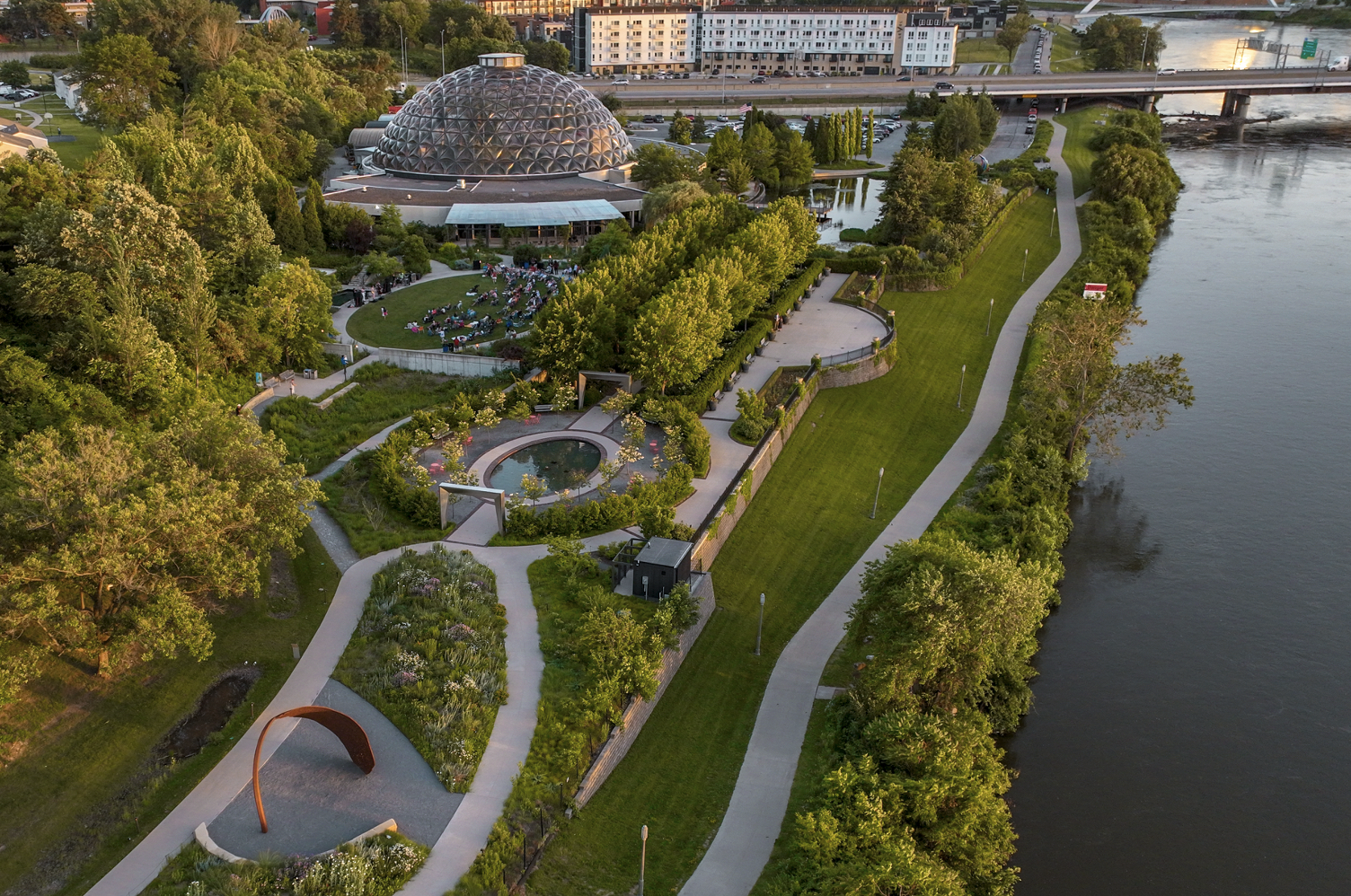 The Greater Des Moines Botanical Garden’s glass dome is a well-known landmark near the downtown area.
But for years, the Garden’s presence vanished when the sun went down.
“We were invisible,” said Kim Perez, President and CEO of the Greater Des Moines Botanical Garden. “You could see the dome all day long—but at night, it just disappeared.”
Today, the dome glows against the evening skyline, illuminated in shifting colors that can be seen across downtown. The change is more than cosmetic. It reflects a broader transformation underway at the Botanical Garden—one focused on reconnecting with the community, expanding access, and reintroducing the Garden as a vibrant destination for visitors from across Iowa and beyond.
Since stepping into the role in 2021, Perez has helped guide that evolution with a clear vision: making the Garden a place where everyone feels welcome.
“We want people to feel like they belong here,” Perez said. “Gardens are many things to many people. It might be a place to learn, a place to gather with friends and family, or simply a moment to step away from the noise of everyday life and experience something beautiful.”
Behind that welcoming environment is a growing organization working thoughtfully to strengthen its foundation through everything from community programming and accessibility initiatives to critical infrastructure improvements that will support the Garden for decades to come. Along the way, community partners, like Security National Bank, have played a key role in providing the financial flexibility and long-term support needed to bring many of those improvements to life.
A New Chapter for a Familiar Place
Originally opened in 1979 as the Des Moines Botanical Center, the Greater Des Moines Botanical Garden was operated by the city and known primarily for its distinctive domed conservatory and indoor plant collections.
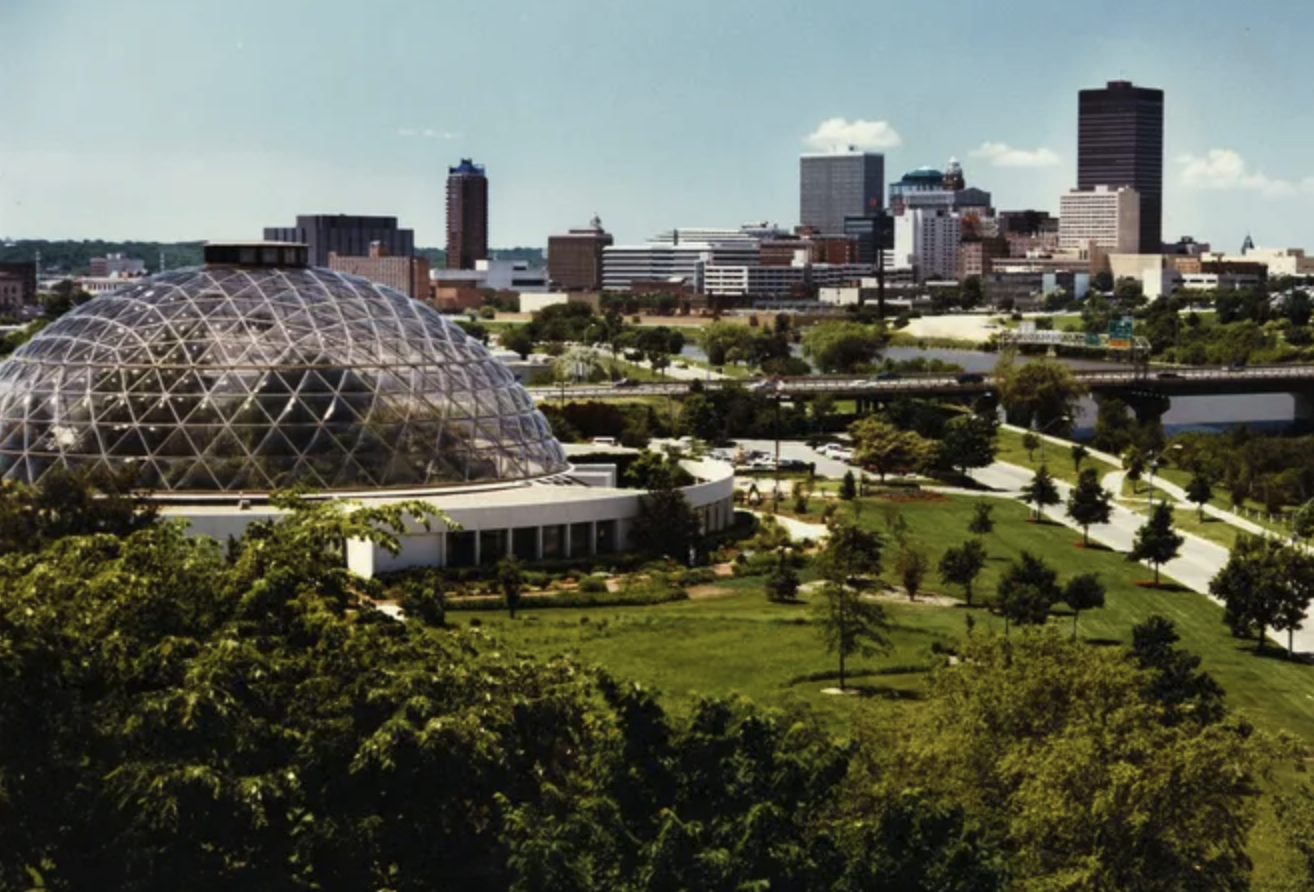 A shot of the Greater Des Moines Botanical Garden in 1989.
Over time, the Garden began evolving into something larger. In 2013, the organization transitioned into an independent nonprofit, opening outdoor garden spaces and beginning a new phase of development while maintaining strong partnerships with the city.
Even as the Garden changed, many people still thought of it the way they remembered it growing up.
“I often ask people when the last time they visited was,” Perez said. “And a lot of times, they’ll say it was their fourth-grade field trip.”
That’s one of the reasons Perez and her team have focused so intentionally on reconnecting with the community and encouraging people to rediscover what the Garden has become.
“It’s about reintroducing ourselves,” she said. “There’s so much happening here now that people may not realize.”
Much of that renewed energy traces back to Perez herself, specifically her background in community-focused nonprofit leadership and the path that unexpectedly brought her back to Iowa.
 Kim Perez, President & CEO of the Greater Des Moines Botanical Garden.
Returning to Iowa
Perez didn’t originally plan to return to Iowa.
A native of the Quad Cities and a graduate of the University of Iowa, she spent two decades building a career in nonprofit leadership in Chicago. Her work focused on community impact and human services—experience that ultimately caught the attention of the Botanical Garden’s leadership during its search for a new CEO.
The Garden’s board was exploring the possibility of bringing in a leader with deep nonprofit expertise—someone experienced in community building, fundraising, and strategic development.
Perez ultimately emerged as the right fit, returning to Iowa to lead the organization at a pivotal moment in its history.
Stepping into the role meant inheriting an institution with more than four decades of history and an opportunity to help shape what its next chapter could become.
“The first thing I needed to do was listen,” Perez said. “This organization has a deep history in the community.”
Over the months that followed, Perez met with staff, board members, volunteers, and community partners, asking a simple set of questions: What was working? What needed attention? And what could the Garden become in the years ahead?
Some priorities quickly rose to the top. Infrastructure upgrades were critical, including replacing an aging HVAC system to protect the Garden’s tropical plant collection and improve long-term sustainability.
But Perez also saw an opportunity to reintroduce the Botanical Garden to the community in more visible ways.
One symbolic change came in 2024, when the Garden installed a custom lighting system for the iconic glass dome—ensuring it would remain visible across the downtown skyline even after sunset.
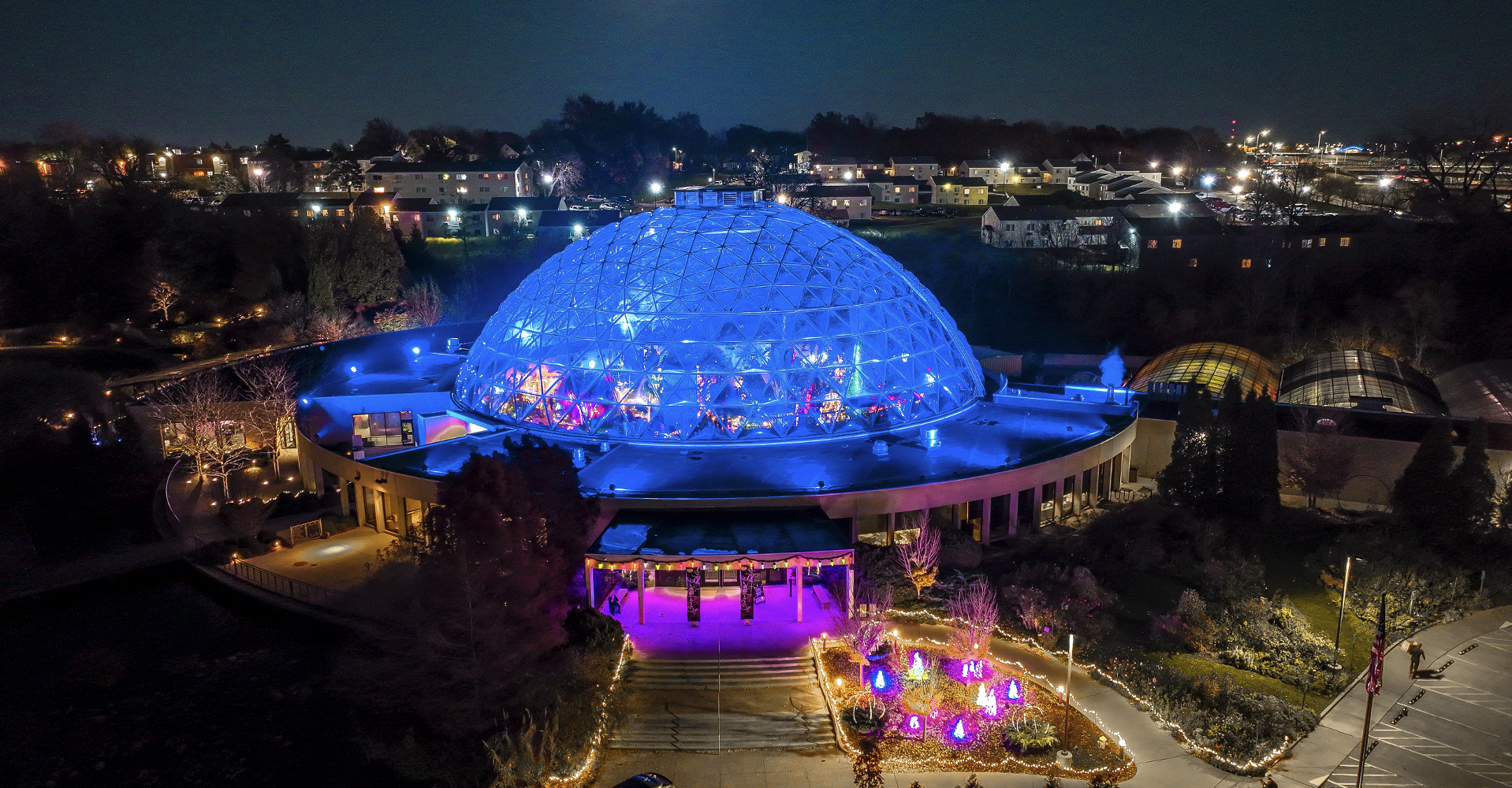 At night, the Garden’s iconic dome lights up the skyline thanks to its impressive lighting system.
“It was about reminding people that we’re here,” she said. “The Garden has always been an important part of Des Moines—we just needed to shine a little light on it.”
But while the lighting helped make the Garden more visible, Perez and her team were also focused on strengthening the systems that keep the conservatory running behind the scenes.
Strengthening the Foundation
Maintaining a tropical plant collection in the middle of Iowa (including its winters!) requires reliable systems that can sustain a specific environment.
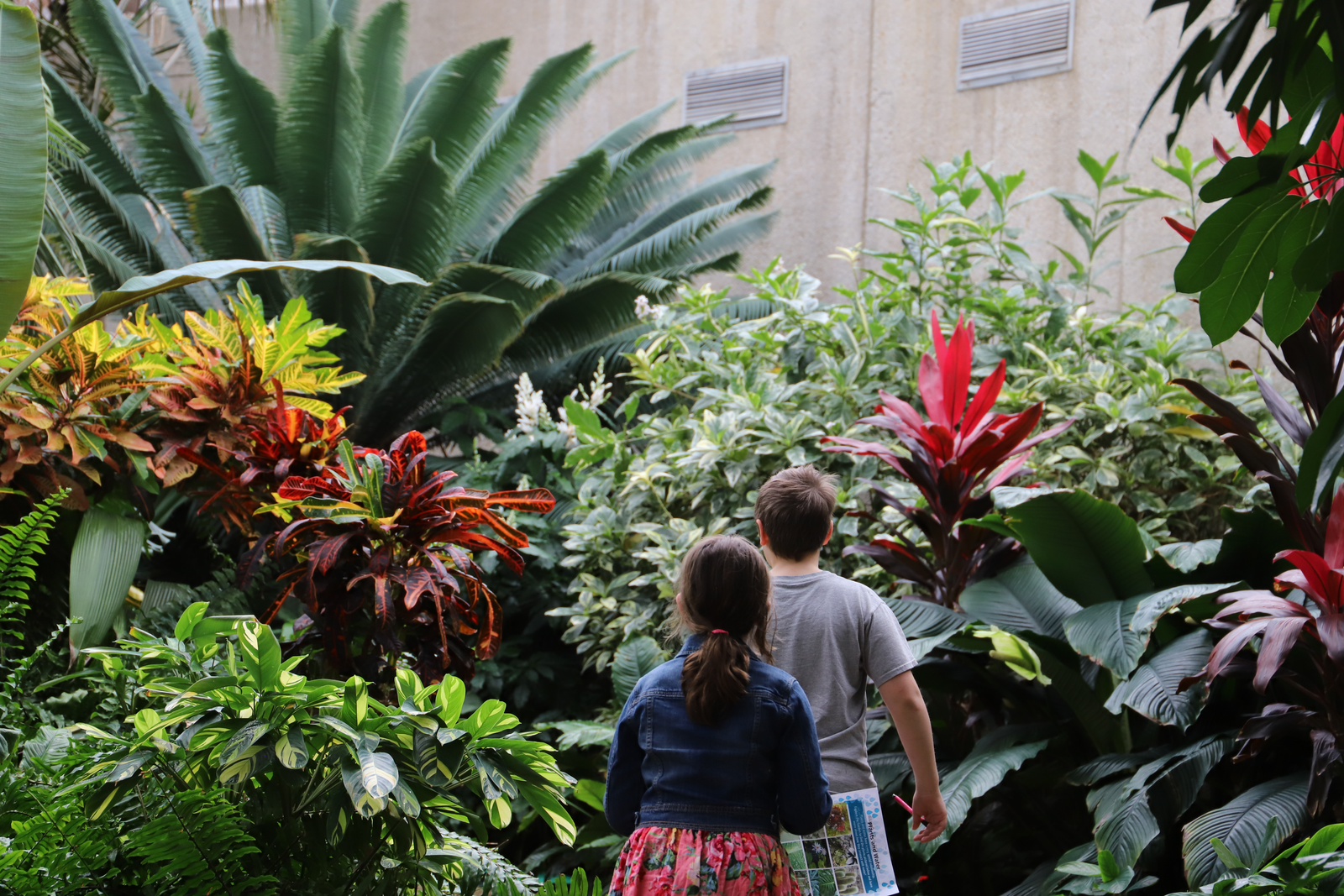 The plants inside the dome require very specific temperature conditions year-round in order to grow and thrive.
When Perez and her team began evaluating the Garden’s facilities, they quickly discovered that some of the mechanical systems supporting the conservatory were reaching a critical point.
Experts warned that the Garden’s heating and cooling systems were becoming increasingly unreliable—creating potential risks for the plant collection that has long defined the conservatory.
The Garden ultimately pursued a solution that aligned with both operational needs and environmental values: a geothermal system designed to improve efficiency, reduce environmental impact, and help stabilize long-term operating costs.
Implementing that kind of improvement required significant planning—and the right financial partner.
A Partnership Built on Listening
As the Garden explored financing options for its infrastructure upgrades and future improvements, leadership spoke with several banks to evaluate potential partnerships.
“At the end of the day, Security National Bank really put a strong foot forward,” Perez said. “They wanted to work with us. They wanted to find a way to get to yes.”
Those early conversations were led in large part by Grant Friesth, Senior Vice President and Iowa Market President at Security National Bank.
Friesth speaks with the steady cadence of someone who knows the community well—and wants to see it thrive. After more than 30 years living and working in the Des Moines area, he brings both a deep familiarity with the city and a genuine enthusiasm for the organizations helping shape its future. “The Botanical Garden has always been a staple of the Des Moines community,” Friesth said. “The distinctive dome has been part of the Downtown Des Moines skyline for as long as I can remember.”
Friesth connected with the Garden’s financial leadership as they started exploring options for critical systems upgrades.
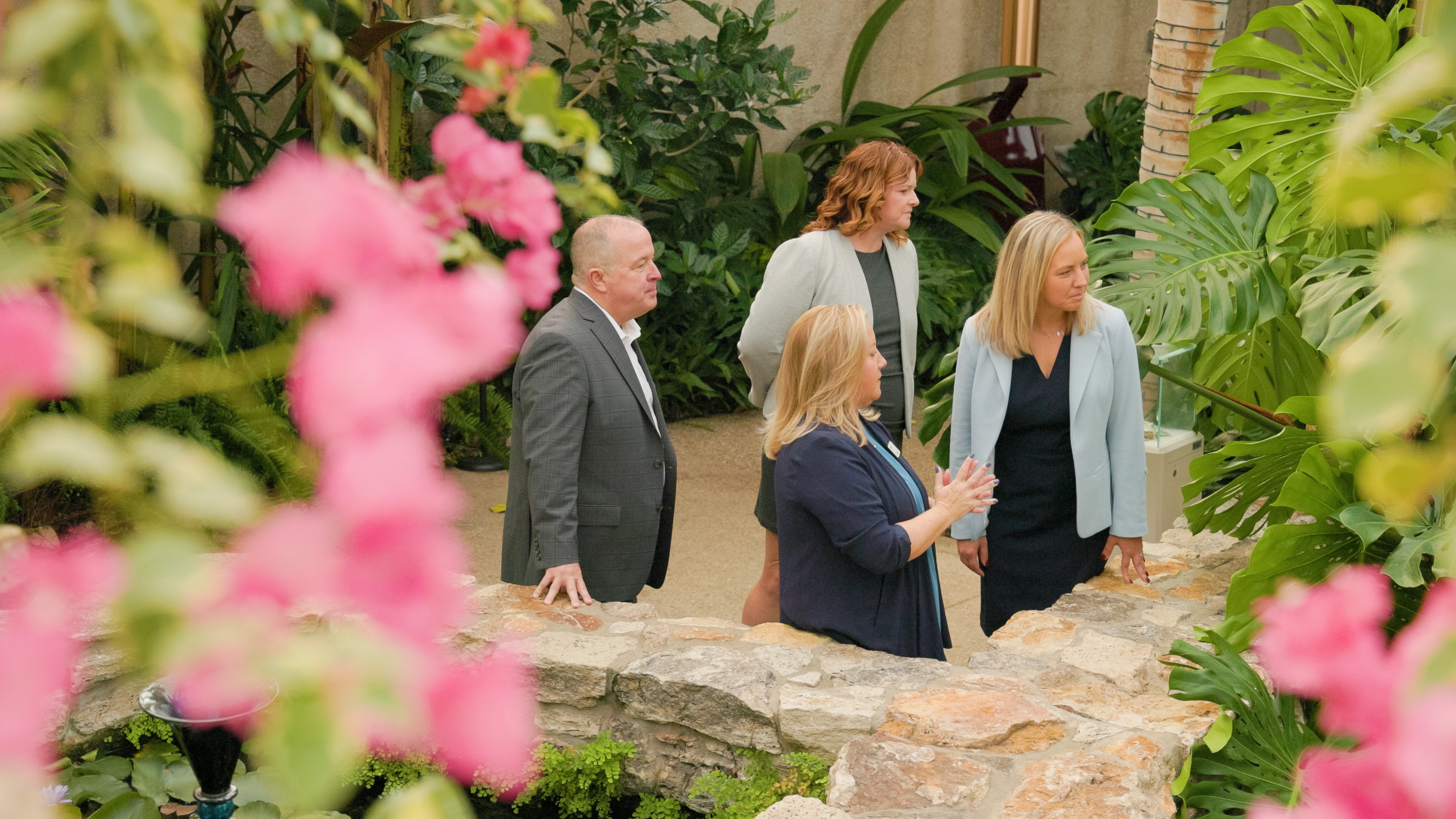 A stroll through the gardens with the Security National Bank team.
From the bank’s perspective, the goal was straightforward: listen carefully and build a financing structure that aligned with the Garden’s unique needs.
“One of the things we do is sit down and understand what the organization is trying to accomplish,” Friesth said. “Then we work to build a financing package that supports that vision.”
Nonprofits often operate under different financial realities than traditional businesses, particularly when it comes to collateral structures and funding timelines. Seasonality in fundraising revenue and programming costs can further complicate things. When a critical capital expenditure project requires near-term attention (as was the case for the Garden), order of operations can create seemingly insurmountable challenges. Massive national banks are often unwilling to dig into the details, but for the Garden, several elements required flexibility and creativity as its financing plan took shape.
Ultimately, the partnership expanded beyond the initial project, allowing Security National Bank to support the Garden in additional ways as its growth continued.
For Perez, the most important factor was feeling understood.
“We felt heard,” she said. “The proposal they brought forward reflected that.”
Growing Into a Destination
As the Garden continues to strengthen its foundation, it has also expanded the ways people can experience the space and provided a story of a Botanical Garden that's a true, year-round destination, not just a dome.
"Find Your True Nature is an invitation for people to see themselves in the Garden and discover the many ways plants, nature and community can enrich their lives. This campaign helped more people experience our gardens as a place of belonging, inspiration, and connection,” Perez stated. “This story has been received so well that we have had more visitors AND recently won the National APGA Dorothy E. Hansell marketing award for the creative work supporting it."
Public programming now ranges from educational initiatives and school partnerships to concerts, seasonal events, and wellness programming.
During the colder months, visitors can attend events like Botanical Blues—live music performances held inside the warm conservatory environment. During the holidays, the Garden hosts immersive light displays inside the dome. In warmer seasons, extended hours and outdoor events invite visitors to explore the Garden’s growing landscape.
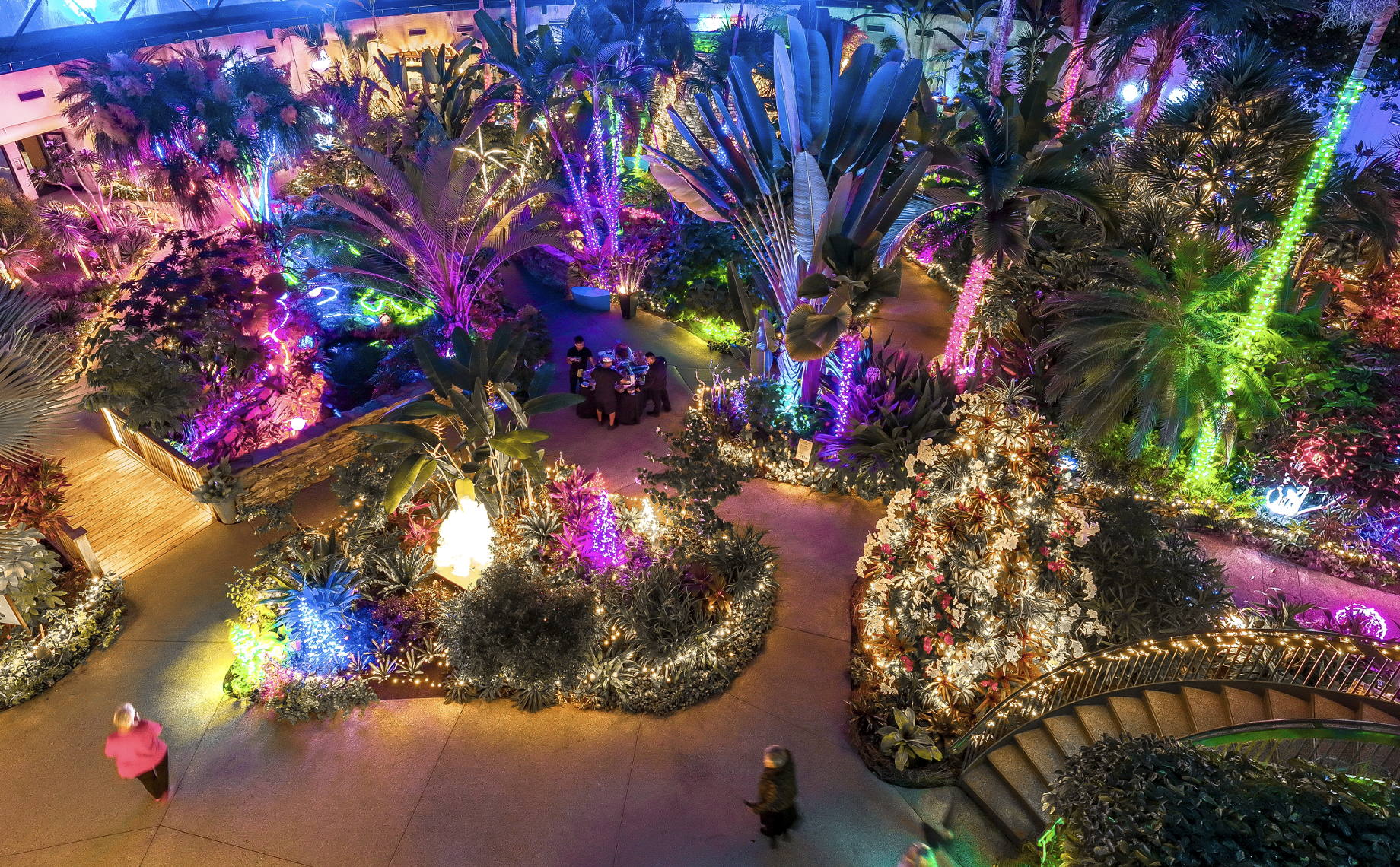 During the holiday season, visitors are dazzled by the festive light displays inside the dome.
The organization has also worked to make the Garden more accessible.
One initiative allows individuals and families who receive SNAP or WIC benefits to visit the Garden for free, removing barriers that might otherwise prevent them from experiencing the space.
“We started asking who wasn’t coming to visit,” Perez said. “Then we started asking how we could change that.”
The Garden has also expanded its educational outreach to local schools, including programs that bring plant-based learning directly into classrooms for students who may not be able to travel to the Garden itself.
A Place That Supports Community
For Perez, these efforts all connect back to a broader goal: ensuring the Botanical Garden plays an active role in strengthening the community.
That includes contributing to the quality of life that helps cities attract and retain residents, businesses, and talent.
“Arts and culture are part of economic development,” Perez said. “They’re part of what helps people decide where they want to live, work, and raise their families.”
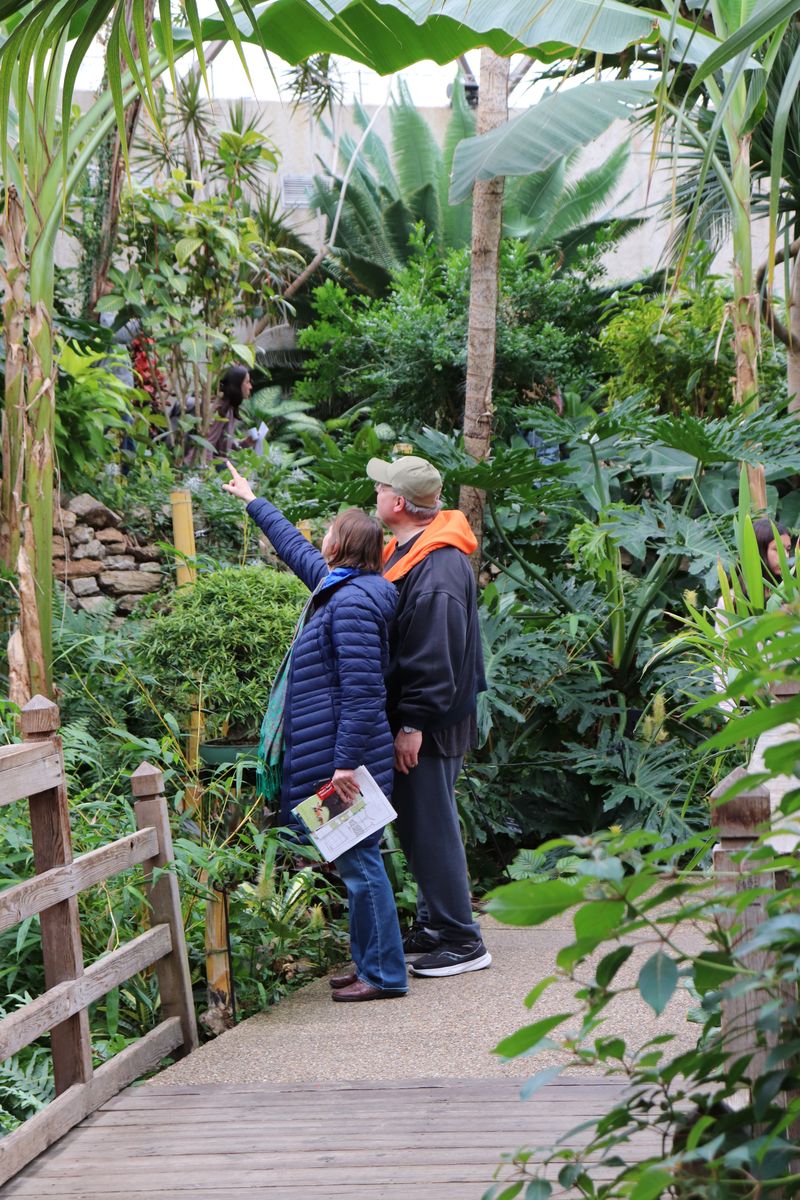 The Garden now welcomes visitors from across Iowa and far beyond. By tracking visitor zip codes and travel patterns, the organization has seen increasing interest from neighboring communities and surrounding states.
At the same time, the Garden continues to serve as a gathering place for local residents—whether they’re attending events, bringing children for educational programs, or simply taking a break from the pace of daily life.
“It’s a place where a lot of joyful moments happen,” Perez said.
Visitors from Iowa and surrounding states come to the Garden to enjoy connecting with nature.
Looking Ahead
The Garden’s transformation is far from complete.
A very successful community fundraising effort has helped fuel a new wave of improvements, including renovations, expanded visitor spaces, and additional outdoor garden development. Several projects are already underway, with more planned in the coming years.
For Grant Friesth and the team at Security National Bank, being part of that progress is deeply meaningful.
“I love Iowa, and I love Des Moines,” Friesth said. “Being able to support organizations that make our communities stronger—that’s something we take a lot of pride in.”
As the Botanical Garden continues to grow, Security National Bank remains committed to supporting organizations and leaders who are investing in the future of Iowa’s communities, helping turn ambitious ideas into lasting impact.
Perez sees the Garden’s future as one of continued connection between people, nature, and the community itself.
“Plants and people have more in common than we often realize,” she said. “There’s always something new to learn, and there’s always another way to grow.”
And thanks to the work happening today—supported by strong community partnerships—the Greater Des Moines Botanical Garden is continuing to grow into one of the region’s most vibrant gathering places.
For organizations and community leaders looking for a financial partner invested in the long-term success of Iowa, Security National Bank stands ready to help. If you’re ready to take the next step, we’d love to connect with you.